The current focus in baseball is if you’re going to hit the ball, hit it hard and far. Bat speed and the resulting ball exit velocity is critical for both college and pro recruiting. Metrics show that players with higher bat velocity play at higher levels similar to pitchers who throw at a higher velocity. Some ways to improve bat speed are well known, but this list may have some surprises you haven’t encountered.
- Train rotational power with medicine balls. Standard lifts are necessary, but not sufficient for baseball. Adding medicine ball rotational throws are critical to maximizing swing speed. Use a six-to-eight-pound ball in a hitting stance and throw the fall off a wall like a swing, but focus on core rotation rather than isolating the arms.
- Baseball player muscle thickness research has shown that there’s a relationship between strength in the abdominals and multifidus lumborum (a muscle that runs along each side of the spine) and bat speed. Many core exercises are available online like the medicine ball point above. For the back, bird dogs, side planks and supermans are recommended. This chart shows the relationship for the back.

- Dry swing underweight bats and overweight bats like Driveline’s speed training bat set. I’ve generally seen this to be +/-12% to 20%. For a 30-ounce bat that would be dropped or adding three to six ounces. Studies generally train three to four times a week with about 100 swings broken up into groups of twenty with rest in between. Swings are done over a six-to-eight-week period and have shown eight to twelve percent increases in velocity. Overall, swinging underweight seems to be more important than overweight.
- Likewise, train with a ProVelocity Bat. According to research from Rob Gray cited in his book on constraints-led baseball coaching constraints-led baseball coaching, the bat helps increase swing velocity up to four miles per hour based on a study of dynamic moments of inertia (MOI) bats.
- For velocity testing off a tee at a showcase, the highest exit velocities were achieved with balls that were placed inside on hitters, so they could pull the ball. Within the pull side, centered balls fared the best followed by those that are low.
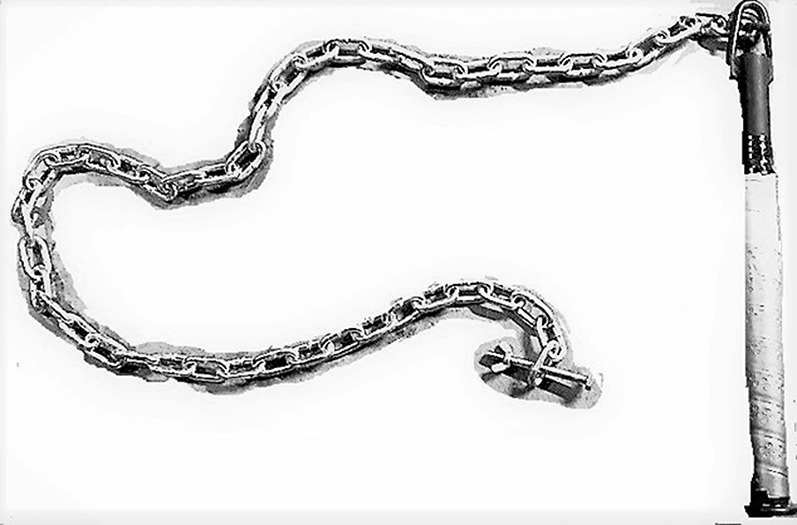
- Incorporate isometric swing holds ideally six minutes before you bat, which could potentially improve bat speed up over 2.5 mph. Anything after two minutes of rest is beneficial, but six minutes or more showed the most improvement. The holds should be done three times for five seconds each with 30 seconds of rest in between for a total time from start to finish of one minute and fifteen seconds. The device below was used for testing, but you could just use a bat against a wall or poll.
- Don’t wear batting gloves. According to Chad Miller of the Louisville Slugger Performance lab, the direct contact with a bat improves performance.
- Wear Squairz shoes, which claims to increase bat velocities 2.6 mph on average by improving ground contact and thereby increasing the energy transferred to the ball. I’ve never used them so this is not an endorsement
- On the flip side, grip strength is not related to swing velocity, though there seems to be a point of contention
If you’re looking for details on metrics at the college level, Driveline shared bat speed and exit velocity metrics from their 2022 clients. Baseball America also pushed the highest 2023 minor league average exit velocities. Spencer Jones led the list at 94 mph. Also the easiest way to measure bat speed is with Blast.
 Monster Baseball
One thought on “How to Increase Bat Speed”